Key Takeaways
- Smart home features can increase property values by up to 5%.
- Virtual and augmented reality tools allow buyers to tour homes remotely.
- AI-powered platforms provide personalized property recommendations.
- Energy-efficient smart devices appeal to eco-conscious buyers.
- Blockchain technology is streamlining real estate transactions.
Technology is transforming the way people buy homes, offering buyers more control and convenience than ever before. The integration of virtual tours, smart home devices, and data-driven decision-making tools is creating a significant shift in how buyers approach the real estate market. Innovations like these not only save time but also help buyers make more informed decisions. For those interested in understanding the Houston real estate market, Houston real estate experts Nan & Co Properties are at the forefront of utilizing technology to provide insights and value to homebuyers.
Smart technology plays a crucial role at every stage of the home buying process, from virtual tours and personalized suggestions to quicker deal closures. It meets both practical needs, like safety and energy efficiency, and emotional needs, helping real estate agents assist clients and stay current with trends. This makes the experience faster, simpler, and more engaging. Buyers now look for homes with safety, energy-saving, and connectivity features. Sellers and homeowners are investing in smart upgrades to increase property value and attractiveness, which influences how buyers select homes. The demand for technology extends beyond buyers; agents, investors, and developers use various tools to improve efficiency and reduce costs, creating a smarter real estate environment that streamlines the journey from search to sale.
Virtual and Augmented Reality Transform Home Tours
Virtual reality (VR) and augmented reality (AR) have fundamentally altered how buyers view potential homes. Instead of driving from one property to another, buyers can put on a headset or use a mobile device to take immersive, 3D walkthroughs from anywhere. This technology allows you to experience room layouts, views from windows, lighting, and even potential renovations without a physical visit. Agents who use VR tours report that clients can narrow their choices before visiting in person, making the process more efficient for both parties. For buyers relocating from out of town, this function is invaluable, expanding access to properties in new cities or neighborhoods with minimal travel.
AI-Powered Platforms Personalize Property Searches
Artificial intelligence is revolutionizing property searches by delivering recommendations based on unique buyer needs. AI-powered platforms learn from a user’s browsing history, search queries, and even preferences such as commute length or school ratings. These systems can analyze thousands of listings and present the best matches, reducing the time spent filtering through irrelevant properties. AI also brings predictive capabilities, estimating future property values or identifying up-and-coming neighborhoods. This creates a more personalized, data-driven home-hunting journey that caters to individual buyers rather than treating them as mere entries in a database.
Smart Home Features Boost Property Values
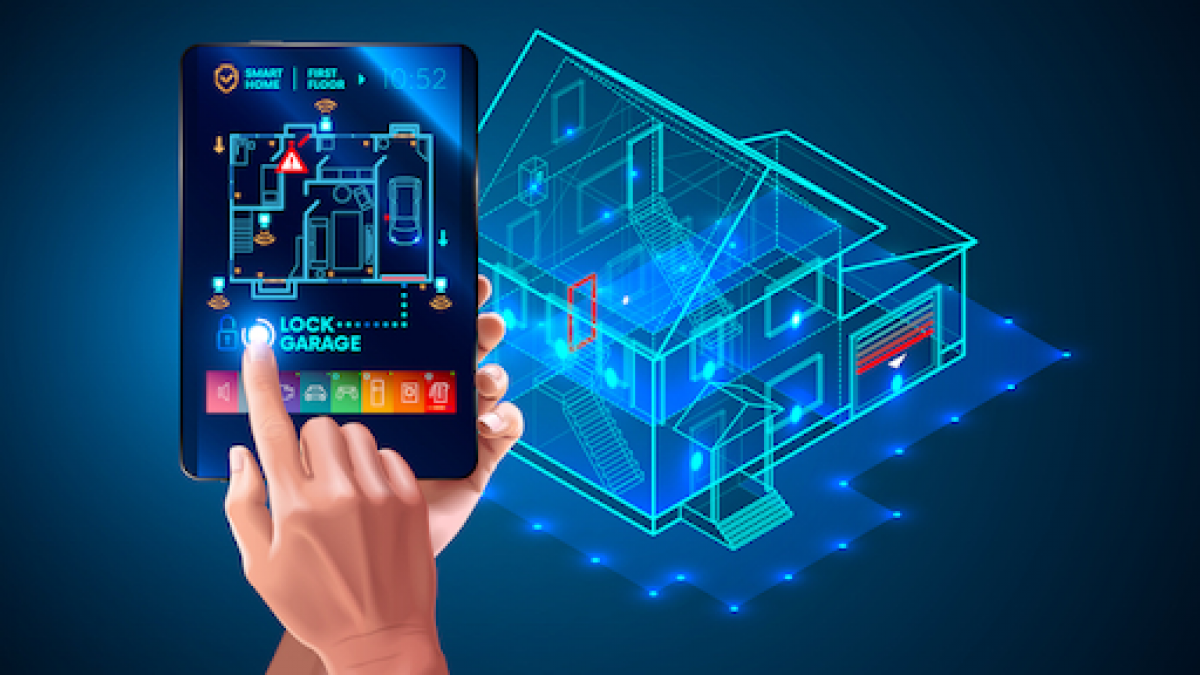
Smart homes are in high demand among today’s buyers. Features like remotely accessible security systems, smart locks, intelligent thermostats, and energy-efficient appliances are standard checkboxes for many modern home seekers. Recent studies suggest that properties with integrated smart tech features can sell for up to 5 percent more than similar homes without them. These features do not just improve comfort and convenience; they also help reassure buyers about safety and long-term cost savings. Smart upgrades are becoming an important differentiator in competitive markets, providing sellers with an edge. For homeowners looking to move quickly, combining smart home upgrades with a trusted home-buying service can make a property even more appealing. If your goal is to sell my house fast in Charlotte, working with an experienced buyer can simplify the process and help you close on a timeline that fits your needs.
Energy Efficiency Appeals to Eco-Conscious Buyers
Sustainability has become a top priority for many buyers, reflecting broader cultural shifts toward environmental responsibility. Smart home devices that manage heating, cooling, lighting, and even irrigation systems help monitor and optimize energy consumption. Features like solar panel integrations, smart thermostats, and water-saving appliances not only reduce utility bills but also decrease a home’s environmental impact. Eco-friendly enhancements are more than trends; they have become expectations, especially among buyers in metropolitan areas. Smart energy monitoring systems are attractive incentives that can help properties stand out.
Blockchain Streamlines Transactions
The final phase of home buying, closing the deal, has long been one of the most stressful parts of the process. Blockchain technology is poised to further simplify this process. By securely storing transaction data and creating automated “smart contracts” that execute when conditions are met, blockchain eliminates much of the paperwork and the potential for errors or fraud. This transparency and efficiency mean buyers and sellers spend less time waiting for approvals and paperwork. Early adopters are already experiencing transaction cycles that are remarkably quicker and more reliable, which could soon become the new industry-wide standard.
Conclusion
Smart technology is revolutionizing the home-buying process at every stage, from search to closing. The ability to tour homes remotely, receive AI-powered recommendations, improve property values through smart upgrades, and close deals with unprecedented security and efficiency is fundamentally altering the real estate experience. As these technologies continue to evolve, buyers and sellers will benefit from an ever-increasing array of tools that make home buying more accessible, transparent, and enjoyable than ever before.