
Transmissible Spongiform Encephalopathies (TSEs) are fatal neurodegenerative diseases that affect both animals and humans. They are caused by prions, misfolded proteins that trigger a chain reaction of abnormal protein folding in the brain, leading to severe neurological damage and death.
TSEs can be sporadic, inherited, or acquired through contaminated food, medical procedures, or environmental exposure. Some of these diseases have crossed the species barrier, raising concerns about their zoonotic potential—the ability to spread from animals to humans.
This article explores how TSEs affect animals and humans, their zoonotic risks, and the implications for public health.
1. TSEs in Animals: Major Prion Diseases
Several forms of TSEs occur in animals, each affecting different species. Some of these have proven zoonotic potential, while others remain under investigation.
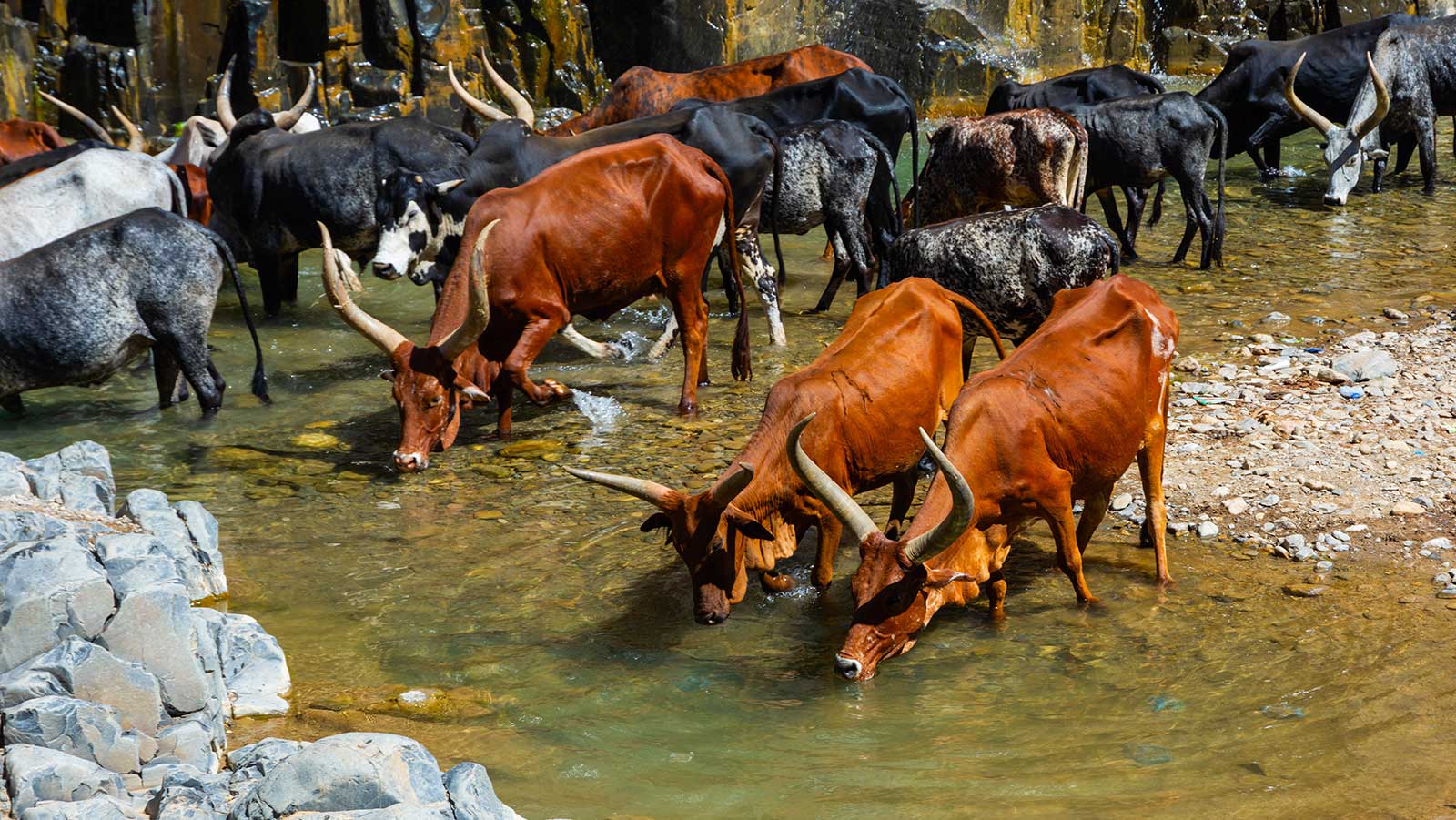
Bovine Spongiform Encephalopathy (BSE or “Mad Cow Disease”)
Species Affected: Cattle
Transmission: Spread through contaminated feed containing infected animal byproducts
Symptoms: Loss of coordination, behavioral changes, weight loss, and difficulty walking
Zoonotic Risk: Yes—BSE is linked to variant Creutzfeldt-Jakob Disease (vCJD) in humans
BSE caused a major health crisis in the 1990s, leading to strict regulations on cattle feed and meat processing to prevent further outbreaks.
Chronic Wasting Disease (CWD)
Species Affected: Deer, elk, moose
Transmission: Spreads through direct contact and environmental contamination (prions persist in soil and water)
Symptoms: Drastic weight loss, excessive drooling, behavioral changes, lack of fear
Zoonotic Risk: Uncertain—no confirmed human cases, but studies suggest possible risk
CWD is concerning because prions can persist in the environment for years, increasing the risk of exposure to both animals and humans.
Scrapie
Species Affected: Sheep and goats
Transmission: Spread from mother to offspring or through contaminated environments
Symptoms: Intense itching, difficulty walking, behavioral changes
Zoonotic Risk: No known cases in humans
Scrapie has been studied for centuries, but there is no evidence it can infect humans.
Feline Spongiform Encephalopathy (FSE)
Species Affected: Domestic and wild cats
Transmission: Believed to be linked to eating BSE-contaminated food
Symptoms: Loss of coordination, behavioral changes, and difficulty walking
Zoonotic Risk: No direct transmission to humans, but linked to BSE outbreaks
Transmissible Mink Encephalopathy (TME)
Species Affected: Farmed mink
Transmission: Spread through contaminated feed
Symptoms: Tremors, circling behavior, difficulty walking
Zoonotic Risk: Uncertain, but no human cases have been confirmed
TME highlights the risk of prion diseases spreading through the animal industry, particularly when animals are fed contaminated byproducts.
2. TSEs in Humans: How They Are Acquired
Human TSEs can be sporadic, genetic, or acquired. Some arise without a known cause, while others result from contaminated food, medical exposure, or inherited mutations.
Creutzfeldt-Jakob Disease (CJD)
- Types:
- Sporadic CJD (sCJD): Most common, occurs spontaneously with no clear cause
- Genetic CJD (gCJD): Inherited mutations in the PRNP gene
Variant CJD (vCJD): Acquired from eating BSE-contaminated beef
- Iatrogenic CJD (iCJD): Transmitted through contaminated medical procedures (e.g., infected surgical instruments, corneal transplants)
- Symptoms: Rapid cognitive decline, hallucinations, muscle stiffness, and death within months
- Zoonotic Risk: Variant CJD (vCJD) is directly linked to Mad Cow Disease
Fatal Familial Insomnia (FFI)
- Cause: A genetic mutation in PRNP
- Symptoms: Progressive insomnia, hallucinations, weight loss, loss of autonomic control
- Zoonotic Risk: No, but it is genetically inherited
Kuru
- Cause: Ritualistic cannibalism among the Fore people of Papua New Guinea
- Symptoms: Loss of coordination, tremors, emotional instability, uncontrollable laughter (“laughing death”)
- Zoonotic Risk: No, but demonstrated how prions could spread through ingestion
- Gerstmann-Sträussler-Scheinker Syndrome (GSS)
- Cause: Genetic mutation in PRNP
- Symptoms: Progressive loss of coordination, muscle rigidity, dementia
- Zoonotic Risk: No, but inherited within families
3. Zoonotic Transmission: How Prion Diseases Cross the Species Barrier
Prions do not easily jump between species, but certain conditions increase the risk:
1. Consumption of Infected Meat
The BSE outbreak in cattle led to vCJD in humans, proving that eating prion-contaminated meat can cause TSEs in humans.
Countries have banned high-risk animal parts (brain, spinal cord) from the food chain to reduce this risk.
2. Environmental Exposure (CWD Concerns)
CWD prions persist in soil and water, and some studies suggest they could infect humans through ingestion or contact with contaminated materials.
Hunters in CWD-affected areas are advised to test deer meat before consumption.
3. Medical Contamination (Iatrogenic Transmission)
TSEs can spread through contaminated medical instruments, highlighting the need for prion-resistant sterilization techniques.
4. Species Barriers and Adaptation
Some prions change slightly when they jump species, making them more infectious to humans over time.
Studies are ongoing to determine whether CWD or other animal prions could eventually infect humans.
4. Public Health Measures to Prevent Zoonotic TSE Transmission
1. Food Safety Regulations
BSE surveillance programs and bans on feeding animal byproducts to livestock prevent new outbreaks.
Meat testing programs help detect prions before they enter the food chain.
2. Wildlife Management for CWD
Testing of deer and elk before consumption is recommended in affected areas.
Bans on transporting infected carcasses reduce the spread of prions.
3. Improved Medical Sterilization
Hospitals use prion-specific sterilization techniques to prevent iatrogenic CJD transmission.
4. Research on Prion Adaptation
Scientists continue studying whether CWD or other animal prions could eventually infect humans.
Conclusion
TSEs affect both animals and humans, with some prion diseases posing a zoonotic risk. The BSE outbreak and its link to vCJD showed that prions can cross species barriers when conditions are right. While scrapie and TME have not shown zoonotic potential, CWD remains a major concern, given its environmental persistence and ability to infect multiple species.
Strict food safety, wildlife management, and medical sterilization remain the best defense against prion diseases. Ongoing research is critical to understanding the risks and ensuring that TSEs do not become a larger threat to human health.