
Industrial parks are becoming increasingly electrified as companies adopt electric vehicles, renewable energy, and smarter power management. This creates a new challenge: how can charging infrastructure meet growing demand without putting unnecessary pressure on the local grid? Intelligent charging solutions can address this challenge by coordinating charging with electricity generation, storage, and consumption. For industrial parks, combining charging infrastructure with photovoltaic solutions can create a more flexible energy ecosystem.
Why Industrial Parks Need Intelligent Charging Solutions?
Industrial parks include factories, warehouses, offices, and logistics facilities with different energy and EV charging needs. As EV adoption grows, simultaneous charging can create significant demand peaks.
Intelligent charging solutions use centralized controls and energy data to coordinate charging according to site conditions. This can improve the use of available electrical capacity and overall energy management.
Solar-Powered Charging for Industrial Sites
Photovoltaic generation can complement EV charging in industrial parks, which often have rooftops and parking areas suitable for solar installations. Daytime solar power can support on-site loads and vehicle charging.
However, solar output varies with weather and time of day. Integrating photovoltaic systems with energy storage and intelligent energy management can help balance generation and charging demand.
Solar Plus Storage Plus Charging
One of the strongest options for an industrial park is an integrated solar, storage, and charging architecture. Solar panels generate electricity, batteries store energy when appropriate, and charging equipment delivers power to electric vehicles.
Energy storage can help address the mismatch between photovoltaic generation and charging demand. Electricity generated when solar output is high can be stored and subsequently used when charging requirements increase. Storage can also provide additional flexibility when grid capacity or electricity prices vary.
For industrial park operators, this architecture can transform EV charging from a simple electricity-consuming activity into part of a broader energy management strategy.
Smart Charging Based on Energy Availability
Another important option is dynamic charging management. Instead of allowing every connected vehicle to charge at maximum power simultaneously, an intelligent system can allocate available power according to predefined priorities.
Charging schedules can consider factors such as vehicle departure times, required energy, available renewable electricity, battery storage status, and site power limitations. Fleet vehicles with urgent operational requirements may receive higher priority, while vehicles that can remain connected longer can be charged more gradually.
This approach can help industrial parks use existing infrastructure more effectively. It may also reduce the need to size every component around the theoretical maximum simultaneous charging load.
Fast Charging for Commercial Fleets
Fast charging is particularly relevant to logistics-intensive industrial parks. Delivery vehicles and commercial fleets may operate according to tight schedules, leaving limited time for charging.
High-power charging can reduce the time required to replenish vehicle batteries, allowing vehicles to return to service more quickly. However, high-power charging also creates greater electrical demand, making energy management especially important.
A well-designed intelligent charging system can coordinate fast charging with available solar generation, battery storage, and grid capacity. This can provide the speed required by fleet operators while maintaining better control over the site’s overall electricity consumption.
Integrated Photovoltaic Solutions for Complex Sites
Industrial parks may have more diverse energy requirements than standalone charging stations. They can include manufacturing equipment, HVAC systems, lighting, data infrastructure, warehouses, and charging loads operating at different times.
For this reason, photovoltaic solutions should be designed around the site’s complete energy profile. Solar capacity, battery storage, charging infrastructure, and energy management should be evaluated together.
The goal is not simply to maximize solar generation or install the largest possible battery. Instead, operators should determine how much renewable electricity can be consumed on-site, when vehicles need charging, and how storage can support the relationship between generation and demand.
A Solution Designed for Energy Coordination
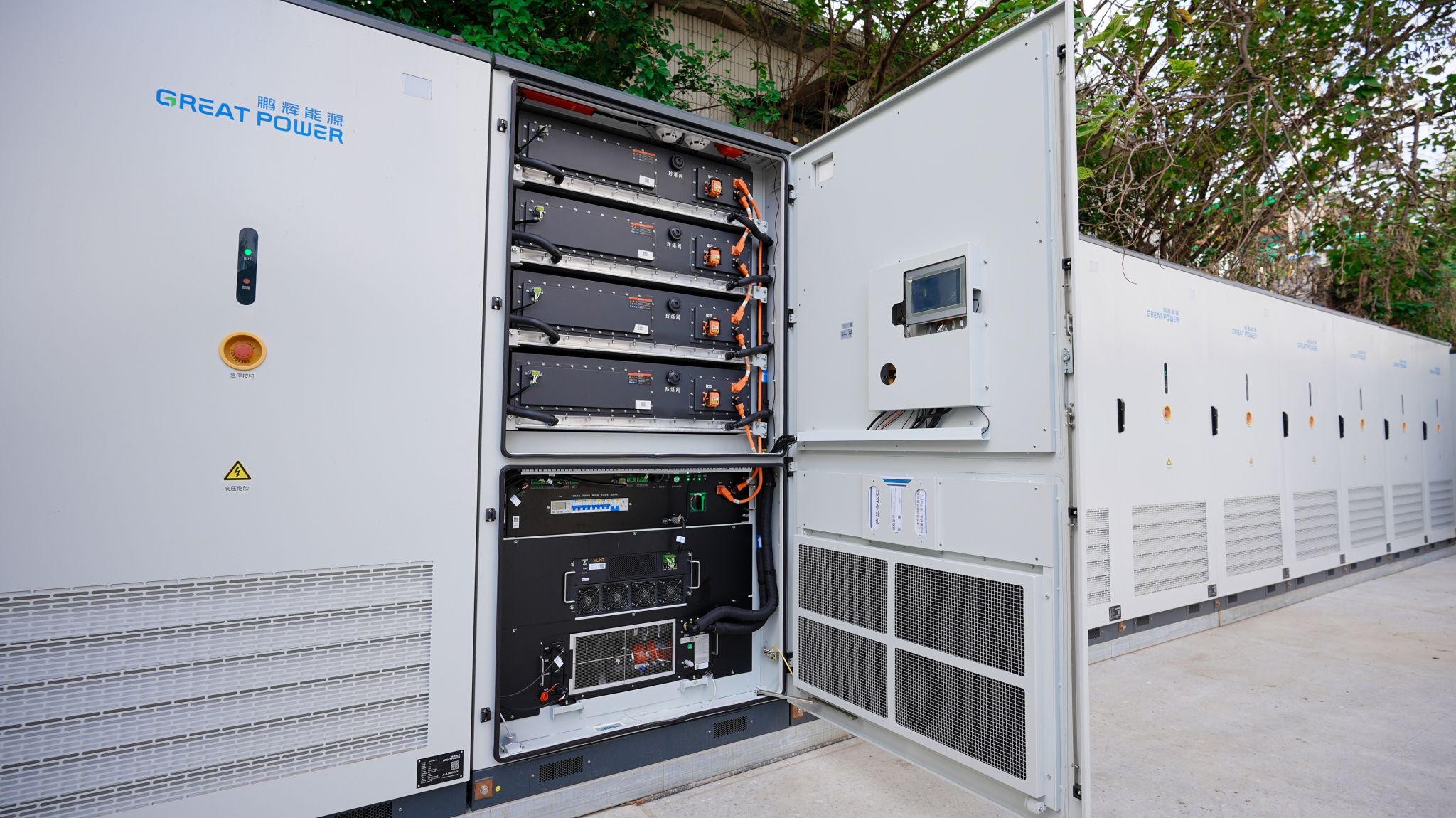
Great Power‘s intelligent PV solution is designed around the combination of renewable energy access, energy storage management, EV fast charging, and EV inspection. According to its official product information, the system integrates these functions to support renewable electricity utilization and EV charging within one solution. Official intelligent PV solution
This integrated configuration can be particularly relevant to industrial parks that want charging infrastructure to operate as part of a wider energy system. Rather than treating solar generation, batteries, and EV chargers as completely separate installations, operators can consider their interaction when planning the site’s energy architecture.
How to Choose the Right Option
There is no single charging configuration that fits every industrial park. The best option depends on the number and type of electric vehicles, charging schedules, available grid capacity, solar potential, battery requirements, and future expansion plans.
Operators should first analyze existing electricity consumption and expected EV demand. They can then determine whether basic smart charging, solar-assisted charging, or a more comprehensive solar-storage-charging system provides the strongest fit.
Future growth should also be considered. An industrial park may initially require charging for employee vehicles but later introduce electric delivery fleets or logistics vehicles. Designing infrastructure with expansion in mind can prevent costly redesigns later.
Conclusion
For industrial park developers, charging infrastructure should be evaluated as a long-term investment rather than a standalone facility. Great Power provides solutions that can be adapted to evolving commercial energy needs, helping project owners consider current charging requirements alongside future expansion. Choosing the right intelligent charging solutions can therefore give industrial parks greater flexibility as transportation, electricity consumption, and business operations continue to change.