
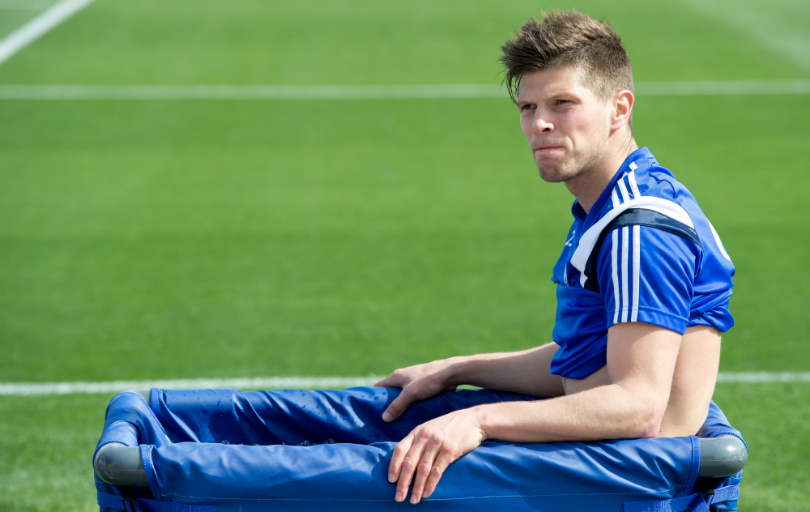
For years, cameras have cut to shivering players stepping into tubs after matches, turning ice baths into a familiar symbol of “modern recovery” in ลิ้งค์ดูบอลสด โกลแดดดี้. The real question for viewers is whether these cold-water rituals meaningfully change what you see in the next game—pressing intensity, sprint repeatability, and how quickly teams regain their sharpness. Understanding where the research supports ice baths, and where it suggests only marginal or placebo effects, helps you interpret performance swings across a season with more nuance than “they just looked tired”.
Why Ice Baths Became Part Of Football’s Recovery Picture
Ice baths and broader cryotherapy methods spread through football because staff needed tools to control soreness and fatigue between increasingly dense fixtures. As match counts have risen, clubs have searched for ways to limit muscle damage, reduce delayed-onset soreness and keep neuromuscular function closer to baseline so players can repeat high-intensity work two or three times per week. For live viewers following congested calendars, this is the context behind squads appearing surprisingly fresh 72 hours after a demanding pressing performance, especially in positions that do the bulk of high-speed running.
What The Research Actually Says About Ice Baths And Muscle Recovery
Systematic reviews of cold-water immersion suggest that, compared with passive rest, ice baths can reduce perceived muscle soreness in the 24–72 hours after intense exercise. Specific studies in football and other high-intensity sports report faster returns toward baseline for measures such as sprint performance, muscle damage markers and self-reported fatigue when cold-water immersion is used immediately post-match. However, when researchers compare ice baths to active recovery—light movement and stretching—the differences often shrink, and at least one placebo-controlled study found similar improvements between “real” cold water and a placebo condition, suggesting that belief plays a meaningful role.
How Ice Baths Might Influence What You See Across A Season
From a viewer’s perspective, the potential advantage of ice baths is not that they make players superhuman but that they might help them return to their usual level more quickly between matches. If cold-water immersion slightly reduces soreness and supports neuromuscular recovery, a team relying on a high press can maintain its structure and sprint frequency over congested weeks rather than seeing a visible dip in intensity by the second or third game. Over time, small gains in freshness can add up to fewer late-game collapses or flat performances, which is precisely what you notice when a side either sustains or loses its identity during busy periods.
Mechanisms: How Cooling Changes Short-Term Muscle Response
Cold-water immersion works by rapidly lowering skin and muscle temperature, causing blood vessels to constrict and slowing metabolic processes in the cooled tissues. This response appears to limit swelling and may reduce some aspects of exercise-induced inflammation, which patients often experience as soreness and heaviness after demanding efforts. As the body warms up again, blood flow increases, and many athletes report feeling “lighter” and more willing to push in subsequent sessions, even if some of the performance benefit is tied to altered perception rather than large physiological changes.
Watching Live Matches With Ice Bath Knowledge In Mind
When you follow matches live, the effects of recovery choices like ice baths show up more in patterns across several fixtures than in any single 90 minutes. Seeing a team play with relentless pressing on a Sunday and then again with similar aggression on Wednesday suggests effective overall recovery management, of which cold-water immersion might be one small part. The deeper value of ดูบอลสด in this context is that live viewing lets you track how a squad’s energy profile changes from game to game—whether midfielders maintain their ability to cover ground, whether wide players still burst past markers late on—and then relate those trends back to how clubs manage recovery and rotation during demanding stretches.
Where Ice Baths Might Help, Where They Probably Don’t
Evidence suggests ice baths are most useful when the priority is short-term recovery and availability rather than long-term muscle growth or strength gains. For footballers facing frequent matches, reducing soreness and maintaining sprint ability 24–48 hours after games can be valuable, even if the edge over well-planned active recovery is modest. In contrast, some studies indicate that regular cold-water immersion after strength-focused training can blunt muscle protein synthesis and long-term adaptation, which is why many performance staff now avoid routine ice baths directly after heavy gym sessions outside of congested match periods.
Comparing Recovery Strategies In Football Contexts
When researchers compare different recovery tools in team sports, ice baths rarely stand out as a magic solution but often match other methods when used with appropriate timing. Work in football and similar sports shows that cold-water immersion, warm-water immersion, compression, stretching, and active recovery all contribute in some way to perceived recovery, but clear superiority for any single method is hard to demonstrate, especially beyond short-term soreness. For clubs, this leads to mixed protocols where ice baths complement, rather than replace, active recovery and mobility work, which is important to remember when commentators highlight cold tubs as if they are the primary reason a team looks fresh.
| Recovery method | Main mechanisms | Likely impact between matches for viewers |
| Ice bath / CWI | Cooling, vasoconstriction, reduced soreness | May support sprint repeatability, less soreness on return |
| Active recovery (light) | Low-intensity movement, circulation | Aids lactate clearance, maintains mobility and rhythm |
| Passive rest only | No targeted intervention | Higher stiffness, more variable energy in next match |
For viewers, the table underlines that what you see in the next game usually reflects a package of strategies rather than one intervention. If a team consistently looks flat after short turnarounds, it may point to broader recovery and rotation problems, not simply whether or not they are “doing ice baths”, and reading performances with that in mind keeps your analysis closer to how staff actually think.
Practical Checklist For Spotting Recovery Effects Across Fixtures
To connect recovery science to your live match viewing, it helps to follow a simple sequence across back-to-back games rather than trying to guess what happens in the dressing room. By tracking the same team over a short run of fixtures, you get a clearer sense of whether their recovery processes—ice baths included—are supporting or undermining the tactical identity you see on the pitch.
- Compare pressing intensity and sprint willingness in the opening 20 minutes of each match in a congested run; stable early pressure suggests effective recovery management.
- Note whether key high-intensity roles (box-to-box midfielders, overlapping full-backs) maintain their volume of hard runs in the final 25 minutes across several games.
- Watch for changes in substitution timing for the same players—earlier substitutions can hint that staff are struggling to keep workloads sustainable between matches.
- Track how often a team suffers late conceded goals or loses control after 70 minutes during tight schedules, which can indicate cumulative fatigue not fully addressed by current recovery methods.
- Observe whether individual players returning from niggles look progressively sharper over successive matches or seem stuck at a lower intensity level, suggesting incomplete recovery.
Using this checklist turns vague impressions about “tired legs” into more structured observations that line up with how performance and medical staff evaluate their recovery protocols. Over time, you become better at predicting which teams are likely to sustain their tactical aggression through demanding runs and which might fade, regardless of how many ice bath clips appear on social media.
Summary
Ice baths do appear to reduce muscle soreness and may help footballers restore sprint performance more quickly than passive rest, particularly when used immediately after demanding matches. At the same time, research shows that their edge over active recovery is often small, some benefits may be partly placebo, and frequent use after strength-focused work can blunt long-term adaptation, which is why clubs now use them selectively rather than as a universal fix. For viewers, the most useful takeaway is to see ice baths as one tool within a broader recovery system that shapes how consistently teams can express their tactical identity from match to match, especially during congested schedules that test both physical preparation and squad depth.