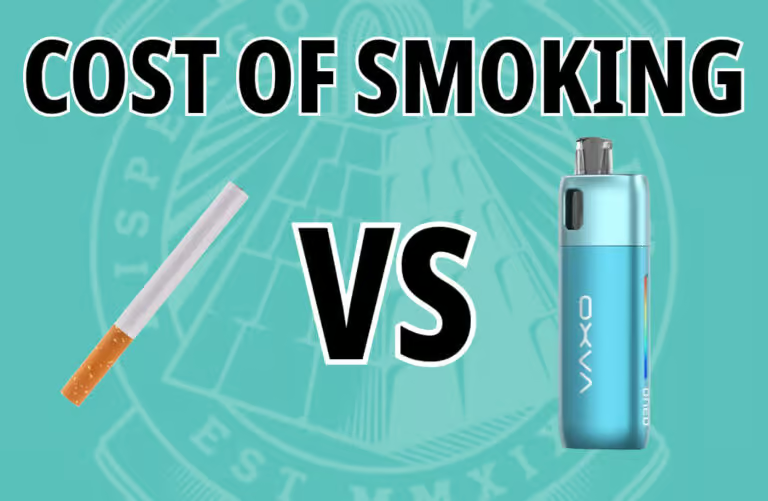
When deciding between vaping and traditional smoking, many people focus on health concerns, lifestyle choices, or convenience. However, one of the most overlooked factors is the financial cost. Both habits require ongoing expenses, but the total cost over a year can be dramatically different.
Upfront Costs
Vaping requires an initial investment in a device. Starter kits typically range from $30 to $100, though premium models like Dr. Dabber vaporizers can cost more due to their durability and performance. In contrast, traditional smoking doesn’t require a starter kit—just a pack of cigarettes, which makes the upfront cost appear lower.
Ongoing Expenses
The real difference shows up in ongoing costs. A pack-a-day smoker can easily spend $6 to $10 per pack, adding up to over $2,500 to $3,600 annually. Vaping, on the other hand, usually involves buying e-liquids, coils, and occasional replacement parts. On average, this might cost $600 to $1,200 per year depending on usage.
It’s worth noting that some users may also purchase hidden carts on a vape, which can drive costs higher or lower depending on quality and frequency of use.
Long-Term Value
While vaping has higher initial costs, its long-term expenses are typically lower than smoking. Smokers face not only financial costs but also potential health care expenses tied to tobacco use. Vaping still carries risks, but it’s generally seen as less costly both financially and physically over time.
The Bottom Line
Over the course of one year, traditional smoking can cost three to five times more than vaping. While both habits require ongoing spending, vaping tends to be the less expensive choice for most people. For those weighing costs alongside lifestyle and health, vaping offers a clear financial advantage.