
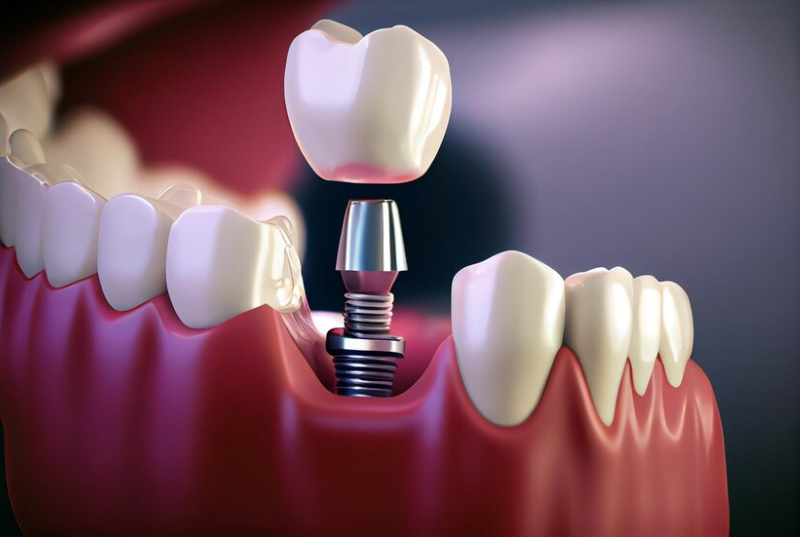
A strong, reliable bite is a basic part of everyday life, yet many people only notice it when something goes wrong. Dental implants have become a practical solution for people who have lost one or more teeth and want something that feels and functions close to natural. Unlike removable options, implants are fixed in place and designed to work as part of the jaw, not just on top of it. This article explains how they restore chewing ability, guided by clinical insight and patient experience.
On this subject, Dr. Sahil Patel of MaryleboneSmileClinic has noted on his website that patients often underestimate how much chewing efficiency improves with implants, particularly when compared with traditional dentures. He advises those considering treatment to visit the website to understand the long-term functional benefits rather than focusing only on appearance, as strong chewing is central to both health and comfort.
In London, demand for this kind of treatment continues to grow, and the phrase dental implant London appears frequently in online searches for good reason. Patients are looking for solutions that last, feel natural, and allow them to eat without hesitation. The sections below explore six key ways implants achieve this, focusing on how they interact with bone, muscles, and everyday habits to restore something many people take for granted.
Restoring Bite Strength Through Jawbone Integration
One of the most important ways implants improve chewing is through their direct connection to the jawbone. A dental implant is placed into the bone where a tooth root once sat, and over time the bone grows around it in a process known as osseointegration. This creates a stable foundation that behaves much like a natural root, allowing pressure from chewing to be transmitted evenly into the jaw. With dentures, the force is spread across the gums, which are not designed to handle it, often leading to soreness or movement during meals.
Because implants anchor directly into bone, they allow patients to bite with confidence. Foods that require more pressure, such as crusty bread, apples, or nuts, become manageable again. This matters not only for enjoyment but also for digestion, as proper chewing is the first stage of breaking food down. When people avoid certain foods because of weak or uncomfortable bites, their diets often become less varied, which can affect overall health.
Over time, the stability of an implant-supported tooth also protects the jaw from bone loss. When teeth are missing, the bone that once supported them can shrink, weakening the bite further. By stimulating the bone during chewing, implants help maintain its density. This means that the strength a patient gains after treatment is not just immediate but can be sustained for many years, making everyday eating far less of a challenge.
Improving Chewing Precision and Control
Chewing is not just about strength; it is also about precision. Natural teeth are held in place by ligaments that give the brain feedback about pressure and position. While implants do not have these ligaments, their firm anchorage in bone still provides a high level of control compared with removable prosthetics. Patients often report that they can sense where their implant-supported teeth meet the opposing teeth more accurately than they could with dentures.
This improved control helps prevent the awkward slipping or rocking that can make meals stressful. When a denture shifts, the person may bite their cheek or tongue, or feel unsure about how much pressure they can apply. Implants, by contrast, stay in place, allowing the jaw muscles to work in a more natural pattern. Over time, this leads to smoother, more efficient chewing movements that feel closer to what the person experienced before losing teeth.
The benefit is particularly noticeable when eating mixed textures, such as meals that combine soft and firm foods. Being able to adjust pressure quickly and confidently makes the process feel effortless rather than cautious. For many London patients who eat out or have busy social lives, this reliability means they can enjoy food without worrying about embarrassing moments or discomfort, which in turn supports a healthier relationship with eating.
Supporting Balanced Jaw Function
When teeth are missing, the way a person chews often changes without them realising it. They may favour one side of the mouth, leading to uneven muscle use and strain on the jaw joints. Over time, this imbalance can contribute to headaches, facial pain, or clicking in the jaw. Dental implants help correct this by restoring teeth where they are needed, encouraging both sides of the mouth to work together again.
By filling gaps with stable, functional teeth, implants allow the bite to distribute forces evenly across the jaw. This balance reduces stress on individual teeth and joints, making chewing more comfortable and efficient. It also supports better posture of the jaw, which can have subtle but important effects on the neck and shoulders, especially for people who already experience tension from long hours at a desk.
In a city like London, where stress and screen time are common, these secondary benefits can be significant. Patients often find that once their bite is properly supported, they feel less jaw fatigue at the end of the day. Chewing becomes a simple, automatic action again, rather than something that requires constant adjustment, which contributes to overall oral comfort and long-term joint health.
Allowing a Wider Range of Foods
One of the clearest signs that implants are restoring natural chewing is the return of foods that had been avoided. Sticky, crunchy, or fibrous items are often off the menu for people with missing teeth or unstable dentures. Dental implants change this by providing a secure base that can handle a variety of textures without discomfort or fear of movement. This freedom allows patients to eat more normally, whether at home or in restaurants.
Being able to chew a wide range of foods is not just about pleasure. It has a direct impact on nutrition. Fresh fruits, vegetables, and proteins often require more effort to chew than processed alternatives, so people with limited bites may gravitate towards softer, less nutritious options. With implants, those healthier choices become accessible again, supporting better digestion and overall wellbeing.
This is one reason why interest in dental implant London treatments is often driven by health as much as by appearance. Patients want to feel confident that they can enjoy meals with family and friends without restriction. When chewing is restored to something close to its natural state, food becomes a source of energy and enjoyment again rather than a source of frustration.
Enhancing Long-Term Oral Stability
Chewing relies on the cooperation of teeth, bone, and gums, and implants contribute to the stability of all three. By replacing missing roots, they prevent neighbouring teeth from drifting into gaps, which can otherwise disrupt the bite and make chewing less effective. This stability keeps the teeth in their proper alignment, allowing the forces of chewing to be shared evenly across the mouth.
Gum health also benefits from this arrangement. When teeth are missing, food can become trapped in open spaces, increasing the risk of irritation and infection. Implant-supported teeth fill those spaces in a way that is easier to clean and maintain. Healthier gums support a stronger bite, as inflammation or soreness can make people reluctant to chew fully on one side of the mouth.
Over the years, this combination of bone support, tooth alignment, and gum health means that the improvements in chewing do not fade quickly. Patients who care for their implants properly often find that their bite remains comfortable and effective long after treatment, making implants a practical investment in everyday function as well as in appearance.
Rebuilding Confidence in Everyday Eating
The final, and often most underestimated, way implants restore natural chewing is through confidence. When people worry about their teeth slipping, clicking, or failing to handle certain foods, they tend to hold back, even if the physical ability is there. Dental implants remove much of this anxiety by providing a feeling of permanence and reliability that removable options cannot match.
This confidence changes how people approach meals. They are more likely to take normal bites, chew thoroughly, and enjoy the textures and flavours of their food. Social situations also become easier, as there is less concern about how the mouth looks or feels while eating. In a busy city where business lunches and dinners with friends are common, this psychological comfort is closely linked to quality of life.
Over time, the combination of physical stability and mental ease allows chewing to become second nature again. Patients often describe it as forgetting about their teeth altogether, which is perhaps the clearest sign that something close to natural function has been restored. Through careful planning and modern techniques, implants make this outcome achievable for many people who once struggled with everyday eating.